


Okay, here's a more human-sounding version of that text, broken down:
1. What's a Water Filter?
A water filter is just a thing that cleans your water. It takes out the gross stuff that makes it taste bad or unsafe. Kinda like a Brita, but there are tons of types. It traps or changes the bad stuff somehow.
2. Why Even Use One?
Your water might have:
* Stuff you can see: Like dirt or rust.
* Chemicals: Like pool stuff, metals, or factory stuff.
* Tiny living things: Little bugs that can make you sick.
* Just plain weirdness: Like a bad taste or smell.
Filtering makes water healthier and taste better. It can also keep your pipes from getting all gunked up.
3. Types of Filters
Different filters do different things:
a. Simple Filters
* How they work: They're like a screen.
* What they get: Dirt and rust you can see.
* Good: Cheap and easy.
* Bad: Don't get chemicals or bugs.
* Like: Basic sediment filters
b. Carbon Filters
* How they work: They use charcoal to soak up bad stuff.
* What they get: Pool smell and bad tastes.
* Good: Water tastes better, easy to install.
* Bad: Don't get metals or bugs. You have to change them.
c. RO Filters
* How they work: They force water through something to remove tiny stuff.
* What they get: Metals and other chemicals.
* Good: Super clean water.
* Bad: Slow, wastes water, and they are expensive.
d. UV Filters
* How they work: They use light to kill bugs.
* What they get: Living things that make you sick.
* Good: Kills bugs fast.
* Bad: Don't get dirt or chemicals. Needs power.
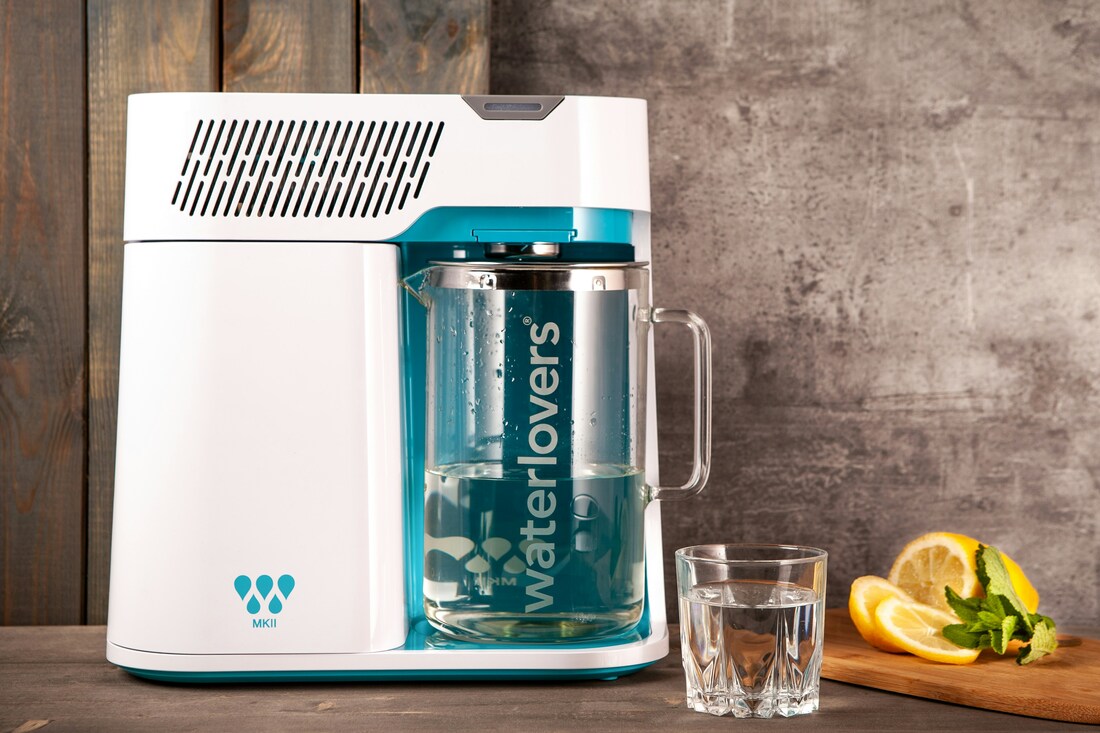
e. Water Distillers
* How they work: They boil water and collect the steam.
* What they get: Metals and most chemicals.
* Good: Really pure water.
* Bad: Takes a while, uses lots of power.
f. Combo Filters
* Many filters mix the above to actually clean water better.
4. What They Take Out
* Dirt/Rust: Simple filters
* Pool Smell: Carbon filters
* Metals/chemicals: RO filters, Water Distillers
* Bugs: UV, RO, Water Distillers
* Hard Water: RO, water softeners
5. Where They Go
* On the Counter: Easy to set up, good for using some water
* Under the Sink: Saves space, use a separate tap
* Pitcher: Easy to pour, needs refills
* Whole House: Filters all your water, saves pipes.
* Inline: Connect to taps
6. Keeping It Up
* Change filters: Depends on the water. Maybe every few months.
* Clean: Scrub simple filters.
* Watch: If the water slows down, the filter might be clogged.
* Clean: UV and RO need cleaning
7. How to Pick
Think about:
* Your Water: Test it.
* How Much?: Pick a filter for how much water to use.
* What to remove?: Get a filter for what's in your water.
* Upkeep?: How much to change and keep up?
* Setup?: Does it fit?
8. What's Good About Them
* Water is safe to drink
* Tastes and smells better
* Less chance of getting sick
* Appliances last longer
9. The Downside
* Filters don't get everything
* Good filters are more money
* Filters need to be changed
* Some filters remove good stuff
10. Tips
* Test the water sometimes
* Change filters on time
* Use a combo filter
1. What's a Water Filter?
A water filter is just a thing that cleans your water. It takes out the gross stuff that makes it taste bad or unsafe. Kinda like a Brita, but there are tons of types. It traps or changes the bad stuff somehow.
2. Why Even Use One?
Your water might have:
* Stuff you can see: Like dirt or rust.
* Chemicals: Like pool stuff, metals, or factory stuff.
* Tiny living things: Little bugs that can make you sick.
* Just plain weirdness: Like a bad taste or smell.
Filtering makes water healthier and taste better. It can also keep your pipes from getting all gunked up.
3. Types of Filters
Different filters do different things:
a. Simple Filters
* How they work: They're like a screen.
* What they get: Dirt and rust you can see.
* Good: Cheap and easy.
* Bad: Don't get chemicals or bugs.
* Like: Basic sediment filters
b. Carbon Filters
* How they work: They use charcoal to soak up bad stuff.
* What they get: Pool smell and bad tastes.
* Good: Water tastes better, easy to install.
* Bad: Don't get metals or bugs. You have to change them.
c. RO Filters
* How they work: They force water through something to remove tiny stuff.
* What they get: Metals and other chemicals.
* Good: Super clean water.
* Bad: Slow, wastes water, and they are expensive.
d. UV Filters
* How they work: They use light to kill bugs.
* What they get: Living things that make you sick.
* Good: Kills bugs fast.
* Bad: Don't get dirt or chemicals. Needs power.
e. Water Distillers
* How they work: They boil water and collect the steam.
* What they get: Metals and most chemicals.
* Good: Really pure water.
* Bad: Takes a while, uses lots of power.
f. Combo Filters
* Many filters mix the above to actually clean water better.
4. What They Take Out
* Dirt/Rust: Simple filters
* Pool Smell: Carbon filters
* Metals/chemicals: RO filters, Water Distillers
* Bugs: UV, RO, Water Distillers
* Hard Water: RO, water softeners
5. Where They Go
* On the Counter: Easy to set up, good for using some water
* Under the Sink: Saves space, use a separate tap
* Pitcher: Easy to pour, needs refills
* Whole House: Filters all your water, saves pipes.
* Inline: Connect to taps
6. Keeping It Up
* Change filters: Depends on the water. Maybe every few months.
* Clean: Scrub simple filters.
* Watch: If the water slows down, the filter might be clogged.
* Clean: UV and RO need cleaning
7. How to Pick
Think about:
* Your Water: Test it.
* How Much?: Pick a filter for how much water to use.
* What to remove?: Get a filter for what's in your water.
* Upkeep?: How much to change and keep up?
* Setup?: Does it fit?
8. What's Good About Them
* Water is safe to drink
* Tastes and smells better
* Less chance of getting sick
* Appliances last longer
9. The Downside
* Filters don't get everything
* Good filters are more money
* Filters need to be changed
* Some filters remove good stuff
10. Tips
* Test the water sometimes
* Change filters on time
* Use a combo filter